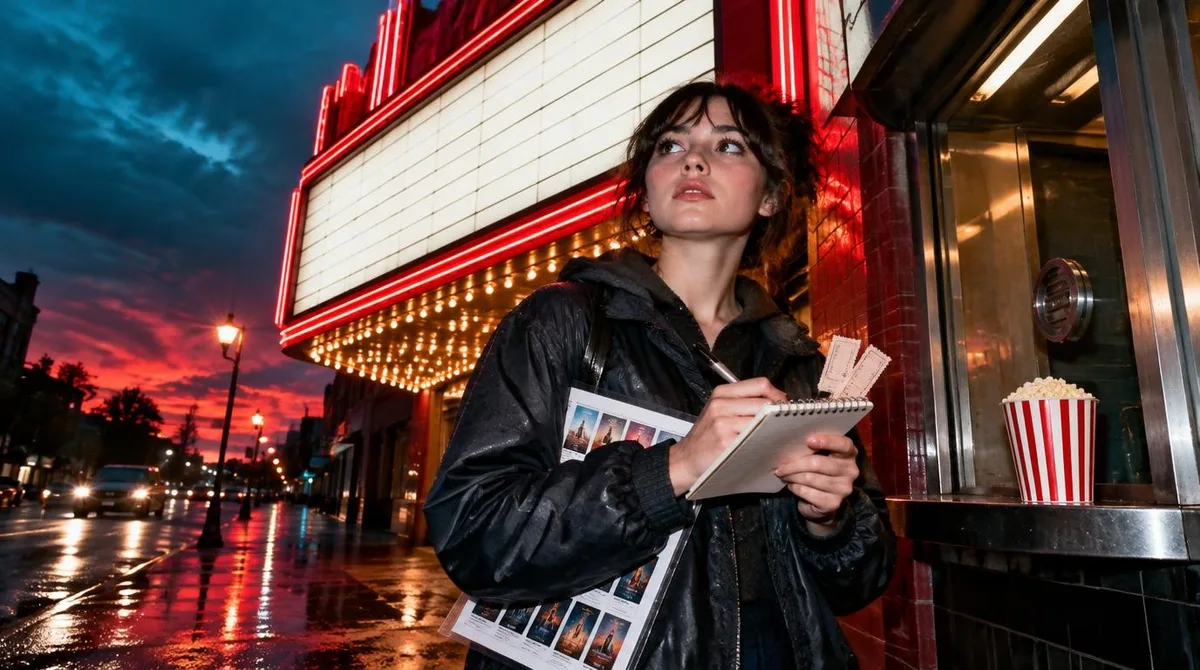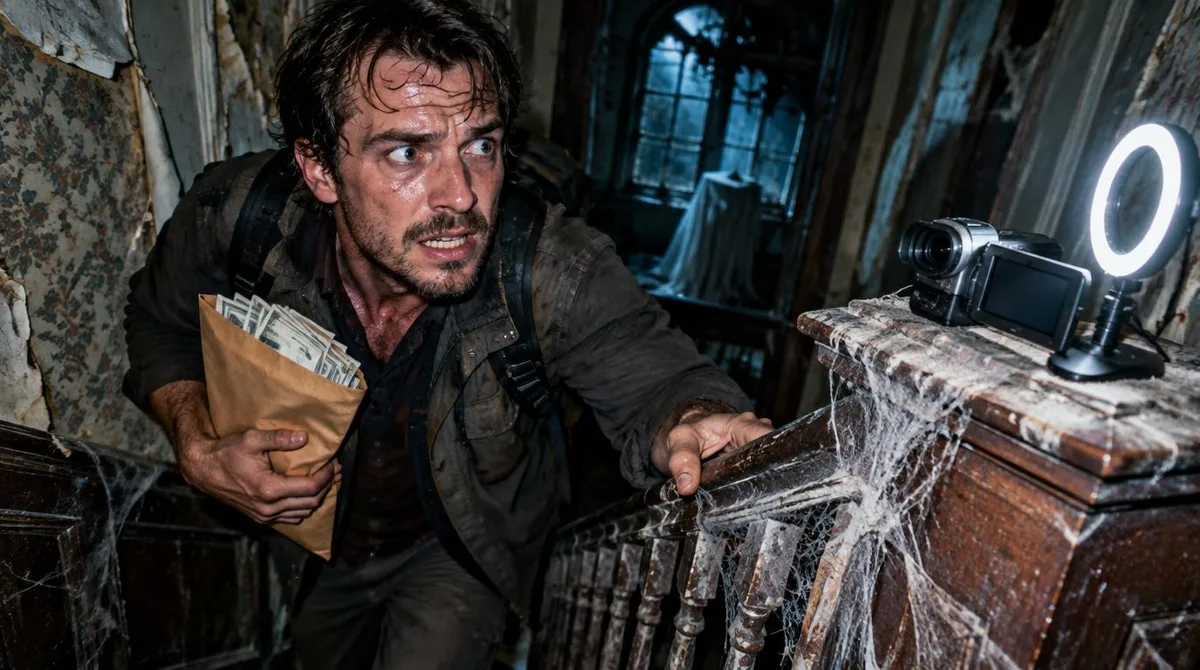
Demonetize, which played a special preview screening at the Sohome Horror Film Festival on Thursday, November 26, had the sharpest premise of the influencer-horror cycle on paper. A washed-up television ghost hunter offers a cash prize to whoever survives the night at a notorious haunted house, and the contestants he recruits are influencers, streamers and content creators. According to FILMHOUNDS Magazine, the film squanders it by refusing to commit to a single storytelling method.
The commercial logic of the premise is what makes the failure instructive. A cast of professional content creators would plausibly have their cameras running at all times, because, as the FILMHOUNDS review puts it, in the current era "everything is content." That is the found-footage genre's whole solution to the why-is-anyone-filming-this problem, and this film hands it to the audience for free. Instead, the movie oscillates between being a found footage film and being a film about making found footage, and per the review, the two approaches do not blend.
That structural wobble is the real story here for anyone tracking where horror's creator-economy films go next. The genre's best entries in this mode work because the format is the argument: the camera never turns off, so the horror and the hustle become the same thing. Demonetize keeps turning the camera off and on again, and the review argues that this refusal to commit does the overall film a disservice. For more on how the season's releases are landing, our movie reviews hub tracks the wider slate. This connects to our earlier piece, New Horror Movies This Season, Dated and Sourced for October Nights.
What does the film actually do with its premise?
It opens well, then undercuts itself. The film opens with a telegraphed despicable Hollywood executive, played by Doug Jones, who "really dials up the sleaze factor" per FILMHOUNDS, asking a group of unseen people "what the hell happened on that tape?" The review calls that the perfect setup for a film that is entirely found footage: the flashback would carry the story, and the frame would return for the resolution. What follows instead is a flashback sequence that cannot decide which film it is in, cutting between both methods of telling the story.
That is a framing device without a payoff. The executive asking about the tape promises a documentary-style reckoning, an aftermath that gives the footage weight. If the film never settles long enough inside the tape to make it matter, the frame becomes decoration. The review's verdict on the result is blunt: the film loses steam the longer it goes on, and the culmination of the flashback plot line feels rushed and overstuffed.
Why do the performances matter more than usual here?
Because the cast is doing structural repair work the script declined to do. FILMHOUNDS singles out the ensemble for making their characters feel like real people rather than the stereotypes that usually fill influencer-fronted horror. Lexi Collins plays Tara, a character who risks being the stock "dumb blonde," and the review credits Collins with making the audience root for her throughout.
Cherdleys plays Paul Cory, described as a clear stand-in for either Logan or Jake Paul, and the performance is written to be hated from the first appearance on screen. The review notes the actors' comedic timing is strong and keeps the film engaged even as it stalls. That is the tell of a cast that understood the brief while the film around them did not. Festival watchers tracking what premiered this year can follow our festivals coverage for the season's other entries.
What should the genre take from this?
Commitment is the differentiator. The premise here was not the problem; the review calls it a good concept for a found footage film on paper and says the film could have been much better with a few simple tweaks. The lesson for the subgenre is that audiences will accept a gimmick if the film believes in it completely. Half-adopting the found-footage conceit reads as a hedge, and hedges are exactly what this mode of filmmaking cannot afford.
FILMHOUNDS' bottom line is that Demonetize has a lot of elements to enjoy but no cohesion, leaving a film that does not know what it wants to be and at times feels like a chore to get through. Neither a diamond nor a nice shiny rock, in the reviewer's framing. For readers deciding what to actually watch, our guide to new horror movies this season sorts the slate by date and source. Readers following this should also see New Comedy Movies This Season, With Dates, Premises, and Picks.
The next development worth watching is whether the film finds distribution beyond its festival preview. Nothing in the supplied reporting establishes a wider release, so the honest position is that the Sohome screening on November 26 is the only confirmed public showing on the record. If a distributor picks it up, the marketing will have to answer the question the film itself dodged: is this found footage, or a film about it? Our premieres calendar will note it if a date surfaces.